
Key Takeaways
- Identify the early warning signs of plant stress, such as yellowing leaves or drooping stems.
- Learn to distinguish between overwatering and underwatering, a common mistake for many plant owners.
- Consult a professional florist in Singapore to get a tailored recovery plan for your specific plant species.
Introduction
Every plant enthusiast has faced the heartbreak of watching a once-vibrant leaf turn yellow or a sturdy stem start to droop. Managing plants in Singapore requires a nuanced understanding of tropical biology. Whether it is a beloved houseplant or a balcony garden, seeing your greenery struggle can be frustrating, especially when you are not sure what is going wrong. By tapping into the expertise of a top florist in Singapore, you can learn to diagnose common ailments and implement life-saving techniques.
Diagnosing the Root Cause of Decline
When dealing with struggling plants in Singapore, you must look closely at the symptoms to understand the underlying issue. Yellowing leaves can indicate overwatering, a nutrient deficiency, or a lack of light. If the leaves are crispy and brown at the edges, the plant might be suffering from low humidity or underwatering. A professional florist in Singapore can often identify these problems just by looking at a photo or a sample leaf.
The Dangers of Overwatering in a Humid Climate
Because the air is already humid, plants in Singapore do not lose moisture through their leaves as quickly as they might in drier climates. If the soil remains soggy for too long, oxygen cannot reach the roots, leading to rot. If you suspect your plant is overwatered, carefully remove it from its pot and inspect the roots. Healthy roots are firm and white, while rotted ones are brown and mushy. Trim away the damaged roots and repot the plant in fresh, well-draining soil.
Addressing Light Deprivation and Sunburn
Many plants in Singapore that are sold for indoor use are tropical understorey plants that prefer bright, indirect light. If a plant is “leggy”, it is likely reaching for more light. Conversely, if leaves have bleached or burnt spots, they may be getting too much direct afternoon sun. Moving your plant just a few feet can make a world of difference. A florist in Singapore can advise you on the specific light requirements of your species without causing heat stress.
Humidity Management for Tropical Species
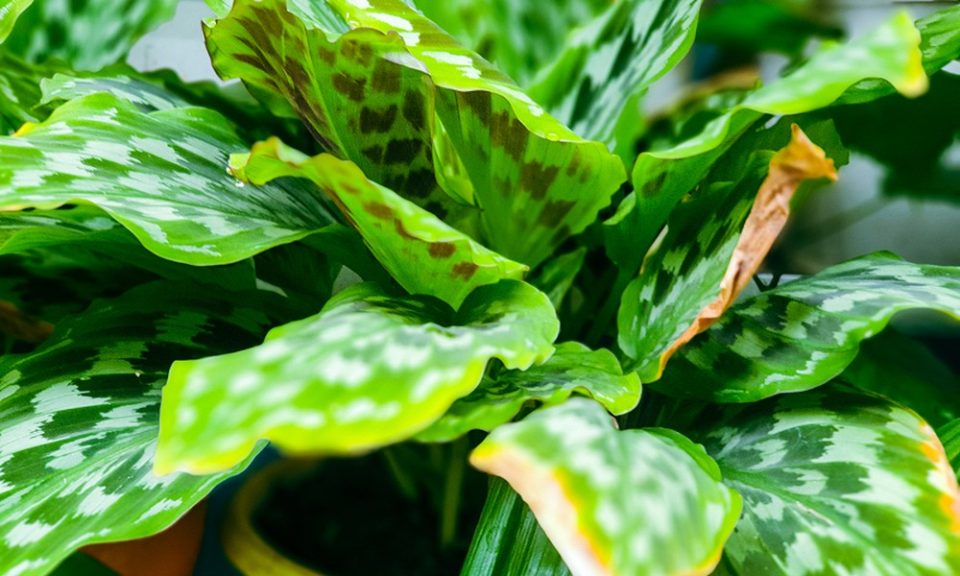
While Singapore is naturally humid, our indoor environments are often the opposite due to constant air conditioning. This dry air can be devastating for plants in Singapore, like Calatheas or ferns that thrive in high-moisture air. If you notice your plant’s leaves are curling or developing brown tips despite regular watering, the humidity is likely too low. You can revive these plants by placing them on a tray of pebbles and water, grouping them with other plants to create a micro-climate, or using a humidifier.
Refreshing the Soil and Nutrient Levels
Over time, the soil in a pot becomes depleted of nutrients and can even become hydrophobic, where it repels water rather than absorbing it. If your plants in Singapore have been in the same pot for more than a year and seem stuck in a state of stagnant growth, they likely need a soil refresh. Gently loosen the root ball and replace the old potting mix with a high-quality, nutrient-rich alternative. Avoid heavy fertilisers when a plant is already stressed, as this can burn the weakened roots.
Pruning and Removing Dead Weight
Pruning dead or dying leaves allows the plant to redirect its limited energy toward healthy growth and new buds. Use clean, sharp shears to make precise cuts, being careful not to damage the main stem. This process also improves air circulation around the plant, reducing the risk of fungal infections. If you are unsure where to cut, a florist in Singapore can demonstrate proper pruning techniques.
Seeking Professional Consultation and Aftercare
If you have tried everything and your plant still isn’t improving, it may be time for a professional “plant doctor” consultation. A florist in Singapore offers maintenance services or workshops where you can bring your plant for a check-up. They can check for microscopic pests like spider mites or scales that might be draining the plant’s life. Beyond the initial revival, they can provide a long-term care schedule tailored to your home’s specific conditions.
Conclusion
Reviving a struggling plant is a rewarding experience that deepens your connection to the natural world. Remember that plants are living organisms that respond to their environment; even small changes in care can lead to significant improvements in health. With patience, observation, and the right techniques, you can ensure that your plants in Singapore remain a lush, vibrant, and healthy part of your living space for years to come.
Chat with D’Spring to get expert advice on reviving your greenery and keeping your indoor garden healthy today.
