
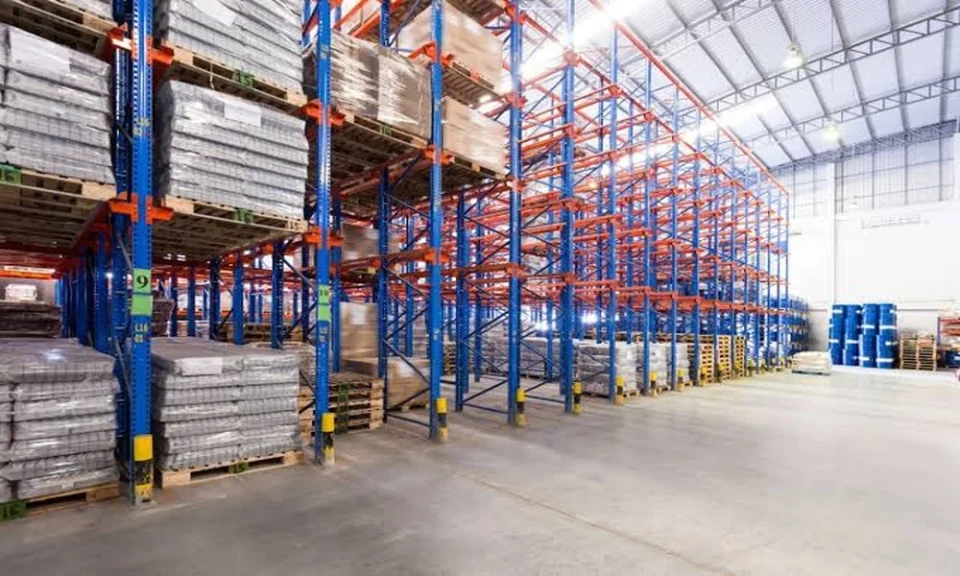
Racking sits in an awkward place in most safety systems. It is not machinery, so it escapes the maintenance regimes applied to equipment, and it is not part of the building fabric, so it escapes the attention given to structure. It is nonetheless a loaded structure that people work beneath every day. Meeting Singapore racking safety compliance requirements for warehouse operators is less about a single certificate than about being able to show a working system.
Where the Obligation Comes From
Workplace safety and health legislation places duties on occupiers and employers to take reasonably practicable measures to ensure a safe working environment, including safe structures and safe systems of work. Racking falls squarely inside that. The duty is outcome-based rather than prescriptive, which means there is no single form to file, and equally no defence in having bought good racking if it is then overloaded, damaged and never inspected.
Risk Assessment Covering Storage
Warehouse risk assessments frequently cover forklift operation in detail and mention racking only in passing. It deserves its own consideration: collapse under overload, collapse following impact damage, falling loads from height, items pushed through from the far side of a run, and injury during installation or reconfiguration. Each has controls attached, and writing them down is what turns an intuition about safety into a system somebody can follow when the experienced supervisor is on leave.
Load Limits Must Be Displayed and Understood
Every installation should carry load notice plates stating the maximum load per beam level, the maximum load per bay, and the beam configuration those figures assume. Displaying them is the easy part. The harder part is making sure the people loading the racking know what the figures mean, know the weight of the pallets they actually handle, and understand that the bay limit is not the beam limit multiplied by the number of levels. Brief this explicitly rather than assuming it is obvious.
Modifications Are a Controlled Change
Repositioning a beam level changes the unbraced length of the upright and therefore the capacity of the whole frame. Mixing components between systems or manufacturers can produce connections that were never tested together. Adding a level, changing decking or altering aisle widths all affect the design basis. Treat any change as requiring a check against the load table and, where significant, confirmation from the supplier. Undocumented modification is one of the most common findings in expert inspections.
Inspection as a Documented Routine
Compliance in practice means a three-part regime, immediate reporting of damage by anyone who causes or notices it, a regular internal inspection by a trained employee on a defined cycle, and a periodic expert inspection by a competent person from outside the operation. Each should generate a record showing what was found and what was done about it. Providers of racking safety inspection services will supply reports in a form that supports this, and those reports are the evidence that a system exists.
Acting on Findings
An inspection report with no follow-up is worse than no inspection, because it demonstrates that a hazard was identified and left. Classify findings by severity, assign an owner and a deadline to each, and offload any bay flagged as immediately dangerous rather than scheduling it. Damaged uprights and beams should be replaced or repaired using engineered systems designed for the purpose. Straightening bent members on site is not a repair, since the steel has already yielded.
Protection, Housekeeping and Layout
Physical measures reduce the number of findings in the first place. Column guards on aisle-facing uprights, barriers at run ends and around building columns, clear floor markings separating pedestrians from forklift routes, adequate aisle lighting, and aisle widths matched to the equipment in use all reduce impact frequency. Housekeeping matters too, since debris in an aisle causes the corrective steering that produces most minor collisions.
Second-Hand and Relocated Racking
Buying used racking or moving an existing installation is legitimate and is where compliance most often quietly breaks down. Components from different manufacturers look interchangeable and are not, since connector geometry and rated capacities differ. Relocated racking frequently arrives without its original load ratings, which means nobody can state what it may safely carry. Anchors used once should not be assumed reusable. If you are buying or moving racking, insist on knowing the manufacturer and system, obtain or commission load ratings for the configuration as re-erected, and have the completed installation inspected before it is loaded.
Training and Competence
Three groups need attention. Forklift operators must be licensed and briefed on the specific installation, including load limits and reporting expectations. The internal inspector needs training sufficient to recognise damage and judge its severity. Supervisors need enough understanding to authorise offloading a bay without escalating it. Record the training, because competence that cannot be evidenced is difficult to rely on during an investigation.
Building the Documentation Pack
Keep one file containing the as-installed layout drawing, the load ratings and the configuration they assume, the design standard used, installation and handover records, the internal inspection log, expert inspection reports with actions closed out, records of any modification, and training records. Assembled once and maintained, this pack is what Singapore racking safety compliance requirements for warehouse operators actually amount to in practice, and it takes far less effort to maintain than to reconstruct after an incident.
