
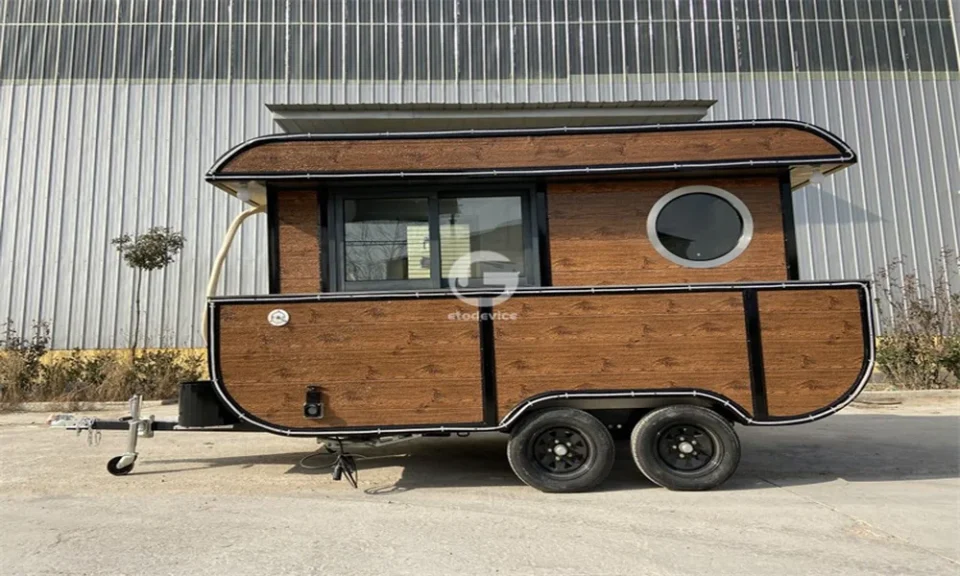
The food business doesn’t have to be a traditional restaurant. In today’s age, entrepreneurs have the option to bring their kitchens to the people and establish a sit-down restaurant wherever the public is. For those who wish to pursue the mobile food business without the bulk of a restaurant and its operational costs, concession trailers have become a growing viable alternative.
For entrepreneurs exploring this model, choosing the right trailer layout and equipment is an important early step. Modern concession trailers can be configured around specific menus, cooking methods, storage needs, and customer service workflows, allowing owners to create an operation that fits their concept rather than adapting to a fixed restaurant space. With thoughtful planning, this mobile format can provide the flexibility needed to test new locations, serve different audiences, and build a recognizable food brand.
A “Kitchen That Can Move”
A concession trailer serves as a separate area for food businesses to cook, prepare, store and serve. A trailer can also have more equipment and supplies than a small food cart, and can be easier to manage for a larger menu. When the trailer is set up correctly, the owners can move their operation to festivals, markets, fairs, sporting events, office gatherings and other busy venues. Rather than having to welcome patrons to a restaurant’s entrance, the company can move to where people are already going.
Reducing barriers to getting started.
There are high costs to opening a food business, including rent, renovations, utilities, furnishings, and maintenance costs. A mobile setup may present an alternate road. A concession trailer does have an initial investment and needs to follow local health and safety guidelines, but can offer new food entrepreneurs greater flexibility. They can trial a menu, develop a customer base and understand where the best business can be generated before deciding on a permanent site. This flexibility can be especially beneficial for entrepreneurs who are dealing with their first venture.
the perfect solution for discovering more space for creativity.
A trailer isn’t a kitchen on wheels, it’s a home on wheels. Its outer design can be a part of the brand. A memorable name, an inventive trailer design, a clever logo or bright graphics can make a food business memorable in a busy parking lot. The interior can be arranged to work around the menu, which helps staff to move around efficiently between preparation, cooking and service. With a proper plan and proper vision, you can therefore go with the business in your trailer.
Meeting Customers Where They Gather.
The freedom to follow the demand is one of the biggest benefits of mobile food. A trailer might be seen one day at a festival, and the next day at an office park. This provides opportunities to connect with various groups, rather than narrowing the focus to one neighbourhood. Any seasonal event, concert, farmers market, college or community gathering can be a selling opportunity. This can be even more helpful with the use of social media. Businesses can share their daily location, what’s on their menu, and where to find them next.
A New Way to Grow
Food entrepreneurs have been finding another avenue to create a business based on food, through concession trailers. They are mobile, branded, and have a working kitchen as well. If the owner is willing to adjust to customer demand, a trailer may be more than just a quick food stand. It can start to be a flexible business that provides good food directly to those who want it.
