
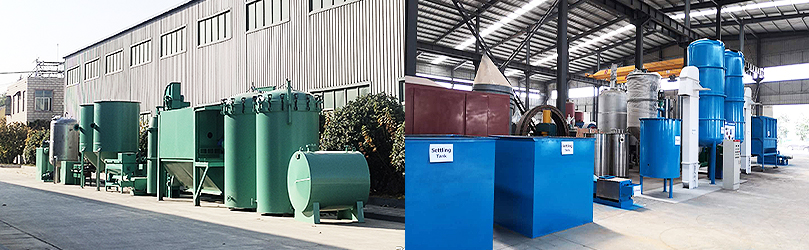
Operating a palm oil mill is a capital-intensive and energy-demanding business. From sterilizing fresh fruit bunches (FFBs) to extracting and clarifying crude palm oil (CPO), every stage consumes energy, labor, and maintenance resources. For mill owners and investors, the key to maintaining healthy profit margins is effective cost optimization—without compromising yield, product quality, or sustainability standards.
This article explores practical and high-impact cost optimization strategies for palm oil mill operations. It focuses on three core areas: energy-saving equipment, maintenance cost reduction, and automation integration. Whether you’re starting up a small-scale operation or managing a high-capacity facility, applying these strategies to your palm oil milling equipment can significantly boost operational efficiency and bottom-line results.
1. Invest in Energy-Saving Equipment
Energy consumption is one of the largest recurring expenses in palm oil milling operations. Sterilization, digestion, and pressing require heat, while clarification, separation, and packaging require power. Upgrading to energy-efficient palm oil milling equipment is a smart long-term move that reduces fuel and electricity consumption.
🔧 Equipment Upgrades for Energy Efficiency:
| Equipment | Energy-Saving Upgrade |
| Sterilizer | Switch from batch to continuous sterilizer systems to reduce steam loss |
| Boiler System | Install biomass-fired boilers using palm fiber and shell waste as fuel |
| Screw Press | Choose variable-speed drives to minimize excess energy usage |
| Clarification Systems | Use decanters or automated oil separators with lower energy draw |
Additionally, many reliable food processing equipment suppliers now offer eco-designed machinery built to comply with international energy efficiency standards. These machines may cost more upfront but offer significant utility savings over their lifespan.
💡 Tip:
Conduct an energy audit to identify which units contribute most to power consumption, then prioritize replacement or upgrades accordingly.
2. Reduce Maintenance and Downtime Costs
Unscheduled maintenance, machine breakdowns, and part replacements can lead to thousands of dollars in production losses and repair expenses. A proactive approach to maintenance—combined with high-quality equipment—helps reduce both direct and indirect costs.
Strategies for Lower Maintenance Costs:
Buy Durable Equipment:
Investing in well-built, wear-resistant palm oil milling equipment from a trusted supplier ensures longer life and fewer breakdowns. Choose machines with easy-to-clean components, corrosion-resistant materials, and simplified design for faster servicing.
Implement Preventive Maintenance (PM):
Develop a maintenance schedule that includes:
Daily inspections of presses, bearings, and belts
Weekly cleaning of steam traps and separator tanks
Monthly lubrication and part replacements
Preventive maintenance avoids costly emergency repairs and prolongs equipment life.
Stock Essential Spare Parts:
Partner with a food processing equipment supplier that can provide spare parts on short notice or help you maintain an on-site inventory of critical components. Waiting weeks for imported parts during a breakdown can severely disrupt operations.
Train In-House Technicians:
Well-trained staff can detect and resolve issues before they escalate. Equip your team with manuals, checklists, and supplier support channels to improve self-reliance.
3. Embrace Automation and Smart Controls
Labor is often one of the largest operational costs in palm oil mills. Manual operation also leads to human error, uneven output, and inefficient material handling. Automation is not only about reducing workforce size—it enhances consistency, reduces waste, and increases production speed.
🤖 Where to Automate in Palm Oil Mills:
| Operation | Automation Benefit |
| Feeding system | Automated conveyors minimize manual loading effort |
| Sterilization controls | PLC-based systems ensure optimal time and pressure |
| Press operation | Auto-adjusting screw presses enhance extraction efficiency |
| Oil clarification | Programmable separators reduce operator error |
| Packaging and filling | Automated bottling lines speed up downstream processing |
Modern palm oil milling equipment often comes with built-in automation options. Leading food processing equipment suppliers now provide SCADA or IoT-enabled control systems, allowing remote monitoring, diagnostics, and performance tracking.
⚙️ Additional Automation Tips:
Use sensors to detect flow rates, oil clarity, and tank levels
Deploy data dashboards to monitor energy use and detect anomalies
Schedule automated cleaning cycles for hygiene and time savings
4. Combine Cost Optimization with Sustainability Goals
Sustainable practices are increasingly important for market access, especially in exports. Luckily, many cost-saving initiatives also align with environmental goals.
🌱 Sustainable Cost-Saving Ideas:
Use biomass energy (e.g., empty fruit bunches, shells) to fuel boilers
Install wastewater recycling systems to reduce water bills
Implement waste heat recovery systems to power auxiliary equipment
Convert processing waste into saleable by-products (e.g., compost or biofuel)
When selecting equipment, consult with your food processing equipment supplier on eco-certifications and energy-saving options. Some vendors now specialize in RSPO-compliant or ISO 14001-certified machinery.
5. ROI Considerations for Equipment Upgrades
While upgrading machinery or introducing automation may seem expensive at first, the long-term financial returns are often substantial. Here’s a basic ROI model for a 10 TPH (tons per hour) palm oil mill after energy and maintenance optimization:
| Item | Before Upgrade | After Upgrade |
| Daily Revenue | $30,000 | $30,000 |
| Daily Operating Cost | $10,000 | $7,000 |
| Net Profit/Day | $20,000 | $23,000 |
| Monthly Savings | – | $60,000 |
| Upgrade Investment | – | $300,000 |
| Payback Period | – | 5 months |
Even a modest improvement in efficiency can pay off quickly—and continue delivering savings for years.
Conclusion
Running a palm oil mill efficiently isn’t just about volume—it’s about smart cost management. By investing in energy-saving palm oil milling equipment, implementing strong maintenance practices, and automating key operations, palm oil businesses can dramatically reduce operating costs while improving output quality and consistency.
To succeed, work with a trusted food processing equipment supplier who understands the technical demands and economic realities of palm oil production. With the right equipment and strategy in place, your mill can stay competitive, sustainable, and profitable in a rapidly evolving global market.
