
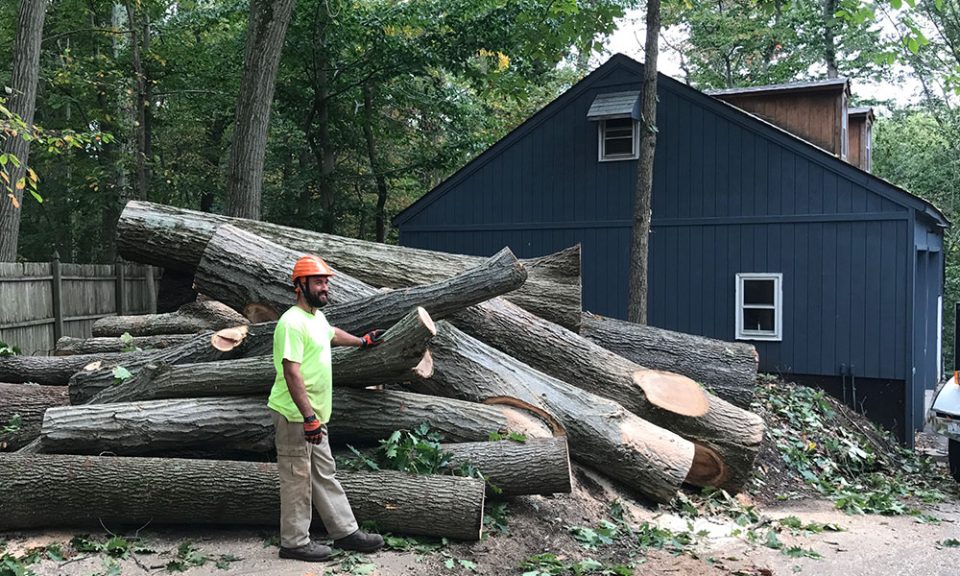
A replanting process requires removing stumps, creating obstacles, and competing for resources. Stump remains occupy valuable planting space, while their roots hinder the establishment of new plants. tree stump removal allows fresh plantings to be established while removing obstructions, reducing competition, and creating soil amendment access.
Physical obstruction clearance
Stumps physically block planting locations. They stop new trees, shrubs, or garden beds from being placed in the spots you want. A stump in a prime location forces landscape designs to work around it. This prevents using the best areas for plants. Removal opens these spaces. Plants can then be placed where light, drainage, and beauty are best. Grading and levelling work moves easily over cleared areas. Equipment passes without hitting obstacles, and surfaces stay even. Installing irrigation, drainage, or hardscaping needs level ground. Stumps get in the way. Cleared areas allow soil to be prepared properly. Tilling, adding amendments, and shaping the land works without interference. Raised beds, borders, or terraces can be built smoothly. Stumps do not force changes in design.
Root competition elimination
Even after a tree has been removed, its roots continue to draw water and nutrients from the soil. The roots of newly planted vegetation compete for resources with the roots of these roots. The roots spread far beyond the stump area and create competition zones that extend many feet in all directions from where the tree once stood. New plants find it hard to grow when existing roots take most of the moisture and nutrients. Grinding stumps removes major root masses near the centre. This eliminates the main competition and makes it easier for new plants to access resources. As the roots break down after grinding, they return nutrients to the soil. The lack of large roots in cleared areas supports strong plant growth.
Soil accessibility improvement
Stump removal creates opportunities for comprehensive soil improvement that intact stumps prevent through physical presence and root occupation. Former stump locations receive amended topsoil filling cavities left by grinding operations, improving soil quality beyond surrounding areas. Compared to compacted soil surrounding former root masses, these filled zones provide superior drainage, fertility, and structure. It is possible to cultivate deeply across cleared areas, incorporating amendments thoroughly throughout planting depths, instead of working around immovable stumps, resulting in reduced tillage depth. Subsoil condition assessment and correction happen when stumps no longer block access to deeper soil layers needing drainage improvements or compaction relief. Proper grading establishes water flow patterns that proceed uninterrupted by stumps, creating low spots or disrupting intended slopes.
Disease prevention measures
- Stumps left in place harbour root rot fungi that spread into new plantings through soil contact or root grafting
- Removal eliminates infection sources, protecting new trees from colonisation by pathogens established in decaying wood.
- Certain diseases persist in soil attached to remaining roots, continuing to threaten susceptible species planted nearby.
- Grinding exposes and removes infected root masses, allowing soil treatment or replacement before replanting occurs.
- Fresh plantings in cleared areas face reduced disease pressure compared to planting near active infection sources in stumps.
Stump removal prepares land for replanting by clearing physical obstructions that block optimal planting locations, eliminating root competition for water and nutrients that hampers new plant establishment, improving soil accessibility for amendments and cultivation throughout cleared areas, and removing disease sources that threaten newly planted vegetation through pathogen transmission from decaying wood.
