
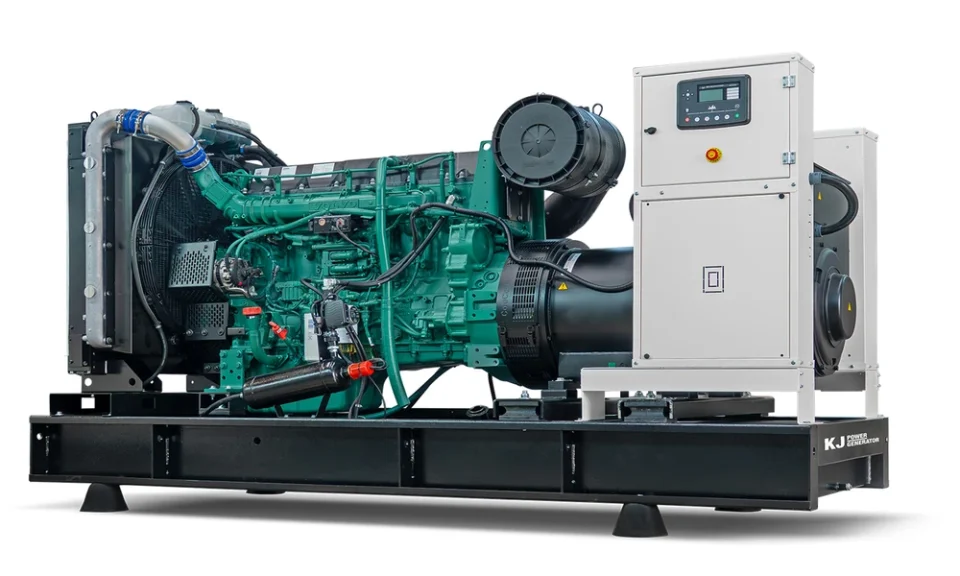
Commercial sites face sharp rises in power needs during busy seasons. Cooling systems, lighting, and production lines all draw more at the same time. A steady supply prevents stoppages that cut output and raise costs. Operators turn to a 500kva generator when grid limits appear during these high periods. Matching capacity to the expected surge keeps every system online. Careful planning of run times further protects against unexpected shortfalls.
Demand Rise Patterns
Seasonal increases follow clear cycles tied to weather and activity levels. Records from prior years show when draws climb fastest. Teams prepare schedules that cover the highest expected hours. Early preparation reduces the chance of sudden shortages.
Capacity Matching Steps
Correct sizing covers the full peak without excess waste. Units must handle the combined load from all active systems. Oversizing leads to higher fuel use while under sizing causes trips. Measured tests confirm the fit before the busy period begins.
Fuel Efficiency Methods
Smart load control lowers consumption during long peak runs. Operators adjust connected systems to stay inside efficient ranges.
Spread high draw tasks across staggered start times each day. Select economy settings once the main surge has passed. Clean intake filters before every extended operating period. Record fuel volume against hours run for clear trends. Reduce non-essential circuits when demand begins to ease. Keep tanks filled with fresh supplies to avoid contamination. Test automatic start functions ahead of forecast high periods. Balance multiple units if available to share the total load.
Teams gain better results when they apply the 500kva generator across the full range of seasonal needs. Shared daily notes on fuel and load guide the next adjustments.
Voltage Stability Measures
Steady voltage protects motors and controls from damage during surges. Units maintain output within safe bands when loads stay balanced. Monitoring devices give early warnings of any drift. Quick response restores levels before equipment suffers harm.
What Capacity Range Covers Typical Seasonal Surges?
Most commercial sites see peaks that push beyond normal daily draws for several weeks. The chosen unit must cover the highest recorded total plus a modest reserve. Real conditions include overlapping starts of cooling and production equipment that create short, intense spikes. Planning for those spikes prevents trips and keeps operations continuous through the full season.
Extra reserve also allows for unexpected equipment additions during the busy window. Review of prior season logs remains the most reliable guide for setting that reserve level.
Daily Check Routines
Simple morning inspections catch issues before peak hours begin. Oil levels, coolant, and filters receive attention each day. Any unusual noise or heat leads to immediate load reduction.
Common Questions Answered
· What size handles mixed commercial loads during peaks? A unit near total connected demand plus reserve works well.
· How often should oil levels be checked? Inspect at the start of every shift for best results.
· Can the unit run continuously through multi-day peaks? Yes, when cooling and fuel supply stay within limits.
· Does temperature affect available output? Higher ambient heat reduces capacity, so plan derates.
· What early signs show performance decline? Increased fuel use or voltage changes appear first.
Heat Management Practices
Excess heat shortens component life during long runs. Clear vents and proper placement keep temperatures under control. Shade structures or open airflow help in hot conditions. Regular cleaning of cooling surfaces maintains efficiency.
Operator Training Basics
Crew members learn to add loads in measured stages. They practice recognizing early warning signs on the panel. Clear limits for continuous operation stay posted near the unit. Short refresh sessions before each season keep skills current.
| Peak Type | Main Drivers | Response Notes |
|---|---|---|
| Weather driven | Cooling and ventilation demand | Pre cool spaces and stagger starts. |
| Activity driven | Production and lighting surges | Schedule high use outside grid peak hours. |
| Combined | Overlapping weather and activity | Maintain reserve capacity and monitor closely. |
These categories help teams prepare specific actions for each surge type. Clear notes on drivers improve response speed when peaks arrive.
Steady Power Continuity
Measured capacity planning and daily care keep commercial systems running through seasonal high periods. Fuel tracking, voltage checks, and heat control close the gaps that cause stoppages. Teams that follow the same routines each day maintain readiness for sudden demand rises. Simple placement, filter, and training habits extend reliable operation without complex changes. Consistent use of these steps delivers continuous supply across the full busy season.
