
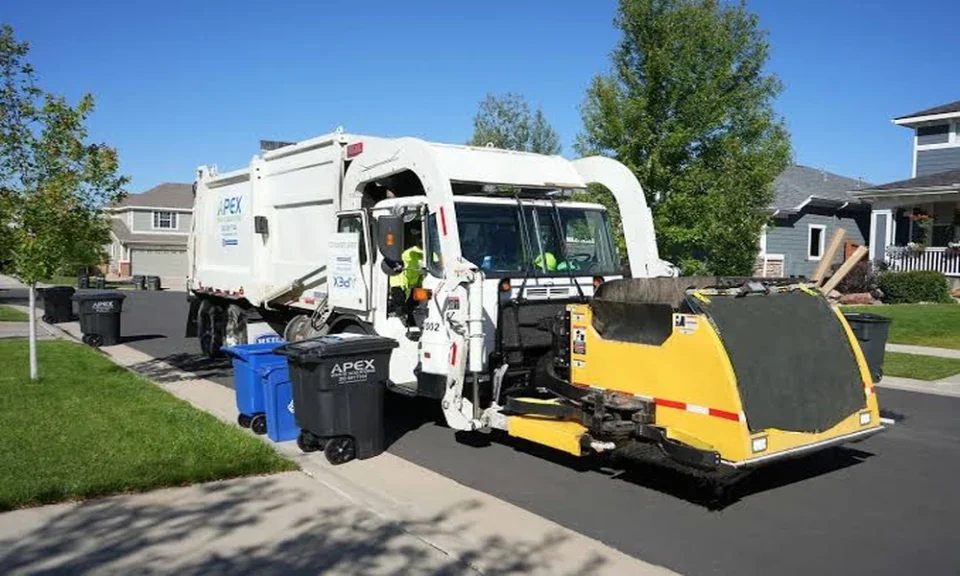
People often picture waste removal as a lorry arriving and a pile vanishing, with the price being whatever the driver says. The process is more structured than that, and understanding it makes the cost predictable. For anyone arranging waste removal singapore for the first time, perhaps after a renovation, a tenancy ending or a long-postponed tidy of the storeroom, the useful questions are simple ones: what happens in what order, what drives the bill, and what should be settled before the vehicle is booked.
What the Service Actually Is
Private waste removal is a collection service for loads that the routine refuse system does not handle. A company sends a vehicle and a crew, the items are carried out and loaded, and the load is taken to an authorised facility for sorting, recycling or disposal. The customer pays for the transport, the labour and the handling. It is distinct from daily refuse collection, which is arranged at estate or sector level and covers ordinary bagged household waste only.
Step One: Describing the Load
Everything starts with an accurate description. A company will normally ask what the items are, roughly how much there is, and where they are located. Photographs are the quickest way to answer. Include large pieces individually and show loose items piled together so the volume can be judged. Mention anything unusual, such as a safe, a piano, a fish tank or sacks of tiles. The more precise the description, the closer the final bill will be to the quote.
Step Two: The Quote
A proper quote states the price and the assumptions behind it. These usually cover the estimated volume, the floor level, whether a lift is available, the distance from the unit to the loading point and whether dismantling is needed. Ask whether the figure is fixed or subject to adjustment on site, and on what basis. A quote produced without any questions about access or contents should be treated carefully, since it is likely to change once the crew sees the job.
Step Three: Booking and Access
Once the price is agreed, a date and a time window are fixed. This is the point to check the building’s requirements. Condominiums and commercial buildings may ask for notice, a deposit or work within set hours, and loading bays may need to be reserved. Tell the door-to-door waste removal crew about any height limit at the car park entrance, the size of the lift and any stairs along the route, so that the vehicle and the number of workers suit the site.
Step Four: Collection Day
The crew will usually begin with a short walk-through to confirm what is going. Items are then carried out, with large furniture dismantled where necessary and floors or lift walls protected if the building requires it. The customer’s role is to keep the route clear, be available for decisions and confirm at the end that everything agreed has been taken. A final look at the common areas before the crew leaves avoids later disputes with the management or the neighbours.
Step Five: Where the Waste Goes
After loading, the waste is taken to authorised facilities. Depending on the material, it may be sorted for recycling or sent for disposal. This stage is invisible to the customer, which is why licensing matters. The National Environment Agency licenses general waste collectors, and a licensed collector is accountable for delivering waste to proper facilities. Illegal dumping is an offence, so it is reasonable to ask a company directly whether it holds a current licence before handing anything over.
The Main Cost Drivers
Volume is usually the largest factor, because it determines how much of the vehicle is used and whether a second trip is needed. Weight matters for dense materials such as tiles, concrete and soil. Labour rises with stairs, long carries and dismantling. The type of waste affects handling charges, and urgent or out-of-hours jobs often cost more. Knowing these drivers helps explain why two loads that look similar in a photograph can attract quite different quotes.
Ways to Keep the Bill Reasonable
Several steps reduce cost without cutting corners. Sell or donate usable items beforehand so that less is collected. Flatten boxes and break down flat-pack furniture to save space. Move items to one accessible spot if you are able to do so safely. Book ahead to avoid urgency charges, and combine everything into a single visit. Above all, describe the load accurately, since an underestimated job that needs a return trip is the most common cause of an unexpectedly high bill.
Items That Need a Different Route
Not everything belongs in a general load. Electrical and electronic waste has its own regulated collection scheme in Singapore. Paint, chemicals, gas cylinders and similar materials need specialist handling. HDB residents with only a few bulky pieces may be able to use the limited free removal offered by their town council, and should check its current terms. Raising these items at the quoting stage lets the company advise on the right channel instead of declining them at the door.
Deciding on a Provider
For a first booking, keep the comparison simple. Shortlist companies that hold a current licence, ask each for a written quote based on the same photographs, and compare what is included as well as the total. Check how they handle changes on site and how far ahead they need notice. If the timing is tight, ask whether a same-week removal booking is realistic for the load. A provider that asks careful questions and explains its pricing plainly is usually the one that delivers without surprises.
