
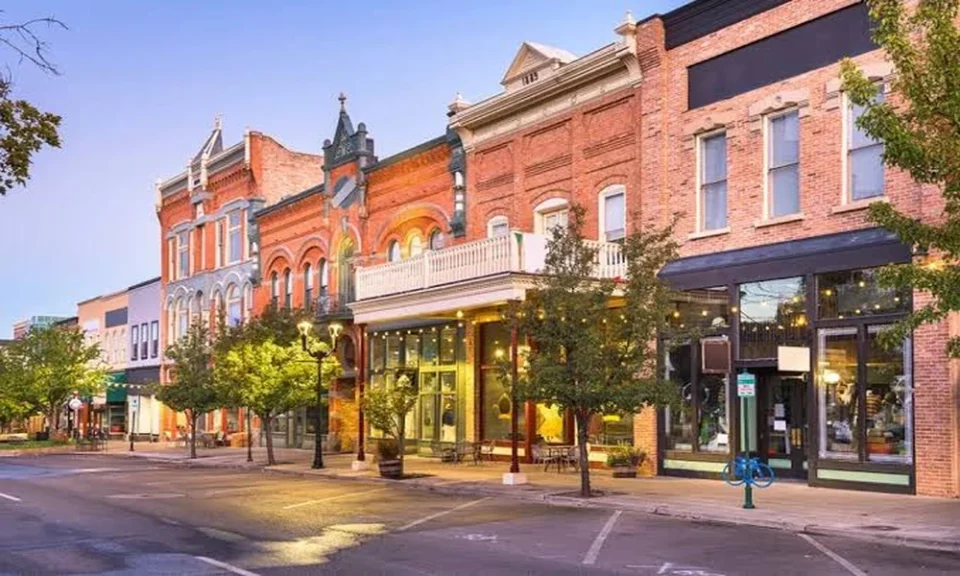
Remediation of old commercial land to make it safe for development as homes, parks or shops includes testing of soil and groundwater, removal or sealing of legacy pollutants, and obtaining regulatory approval prior to development. This strategy transforms the eyesores of a neighborhood into a healthy community while safeguarding home buyers and families from potential subsurface health hazards.
While many homeowners today are worried about purchasing land previously used for industry and see posts about it in forums such as Reddit, there are many reasons why land that has been assessed and remediated is measurably safer than a vacant parcel that has not been assessed, as communities learn more about brownfield redevelopment services.
According to J.S. Held’s analysis of the industry, more than 450,000 brownfield sites across the U.S. are estimated to occupy approximately five million acres of prime urban and suburban real estate with great potential to become safe, vibrant residential neighborhoods.
What Counts as a Brownfield Site?
The U.S. Environmental Protection Agency (EPA) defines a brownfield as any commercial and/or industrial property where the expansion or redevelopment of the property is complicated by the presence or likely presence of a hazardous substance or pollutant in the environment.
Examples of common properties that can be restored are:
- Corners of gas stations: Petroleum hydrocarbons are commonly found in soil around underground storage tanks from old gas stations.
- Dry cleaners: Dry cleaners in the neighborhood often used chlorinated solvents, which also posed subsurface vapor hazards.
- Legacy factories: There can be heavy metals, oils, or asbestos in building materials that can be left by retired manufacturing plants.
- Decommissioned infrastructure sites: Methane gas or compacted fill soil can be produced at closed landfills or rail yards.
Because these specific categories of properties have certain recognized properties, home buyers and other community members can identify manageable environmental history before buying or supporting development projects in their neighborhoods.
How Environmental Site Cleanup Works Step-by-Step
Environmental restoration is a carefully orchestrated, federally approved process, leaving a clear paper trail to ensure safety before the first residential foundation is poured, and protecting future residents and mortgage lenders.
- Phase I Assessment: Engineers conduct a review of historical maps and regulatory records, but do not dig, to identify possible contamination sources.
- Phase II Sampling: It involves borings being drilled into the soil, groundwater, and subsurface air at specific locations, and the results are analyzed in approved laboratories.
- Remedial Action Plan: Licensed geologists design a cleanup process as appropriate for future housing development or retail or parkland use.
- Remediation and Barriers: Removing affected soil or installing sub-slab vapor barriers and active venting systems under buildings.
- Regulatory Closure: State environmental agencies inspect completed work, issue completion certificates, and schedule ongoing air or water checks.
| Cleanup Stage | Primary Activity | Typical Cost | Standard Timeline |
|---|---|---|---|
| Phase I Assessment | Historical records review & walk-through | $2,000 – $4,500 | 2 – 4 weeks |
| Phase II Sampling | Geotechnical investigation in the form of soil borings, groundwater, and lab testing. | $5,000 – $25,000+ | 3 – 6 weeks |
| Vapor Mitigation | Install barrier & venting underneath slabs. | Varies by footprint | 1 – 3 weeks |
| Soil Remediation | Excavation, disposal & state closeout | Project-specific | Several months |
Never sign an official final purchase contract on redeveloped commercial land without the official state-issued Certificate of Completion from any residential builder or property seller.
Why Redeveloped Land Benefits Everyday Homeowners
The benefits to nearby residents from dormant commercial property clean-ups are measured in dollars, health and lifestyle improvements, and a boost in property values. JAERE research shows that nearby residential property values increased 5.0% to 15.2% within 1.29 miles of a dormant commercial property clean-up.
The benefits of revitalized commercial land are also tangible in the day-to-day life of the community, in addition to increasing home equity:
- Fewer daily driving hours: EPA research found people living in close proximity to redeveloped urban brownfields drive an average of 25% to 33% fewer miles daily.
- Restored green space: For every brownfield acre restored, EPA data shows, 1.3 to 4.6 acres of undeveloped forests or farms are preserved.
- Better local services: EPA-supported cleanups bring in an extra $29 million to $97 million in annual tax revenue to local governments.
| Community Impact Metric | Measured Outcome | Verified Source |
|---|---|---|
| Nearby Home Value Growth | +5.0% to +15.2% within 1.29 miles | Haninger, MA & Timmins (JAERE) |
| Daily Driving Reduction | 25% – 33% fewer miles driven by residents with vehicles. | U.S. EPA Accomplishments Report |
| Green Space Saved | The acreage saved per brownfield acre ranges from 1.3 – 4.6 acres. | This is a report detailing accomplishments of the U.S. EPA. |
Regularly reviewing municipal revitalization maps allows smart homebuyers to identify areas where the municipality is interested in revitalization and subsequent property value growth, before regional housing prices are at their maximum.
If you are considering a commercial corridor property in the vicinity of any former commercial corridor, spend some time to learn more about brownfield redevelopment services and what sorts of environmental safety certificates you should ask for.
Building Healthier Neighborhoods on Proven Ground
This provides the flexibility to expand housing supply while still preserving and enhancing natural habitats through the conversion of retired commercial lots into vibrant homes and community spaces. Today’s buyers can enjoy a new neighborhood without any reservations thanks to rigorous environmental engineering, multi-layered vapor barriers, and strict state oversight, which lead to modern safety standards.
