
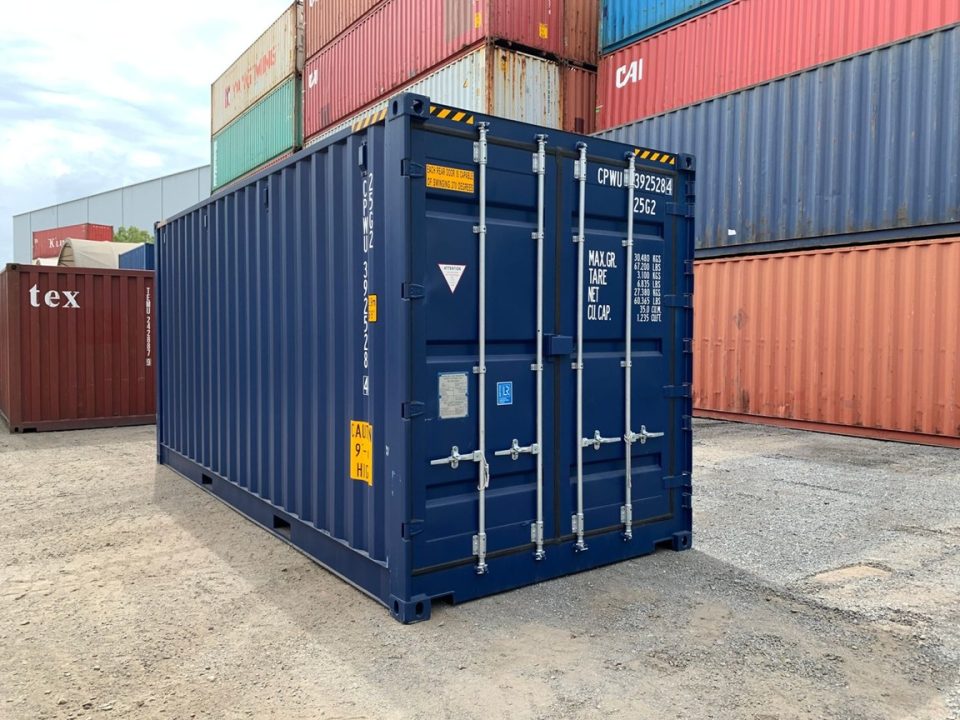
Every container supplier worth dealing with understands that buying a container is not a one-size-fits-all decision. Businesses across Singapore and the wider region rely on containers for everything from overseas freight to permanent on-site storage, and each application demands a different configuration. This guide walks through the main container types, the standard size options, and the buying considerations that separate a sound purchase from an expensive regret.
Understanding the Main Container Types
Dry Storage Containers
The workhorse of the industry, dry storage containers account for the majority of units sold worldwide. Built from Corten steel, they resist corrosion and handle stacking loads of up to nine units high. A standard cargo container in this category features double doors at one end, a marine-grade plywood floor, and a wind-and-watertight seal. They suit general merchandise, furniture, machinery, and archived documents.
Refrigerated Containers
Often called reefer units, refrigerated containers maintain a controlled temperature range from roughly minus twenty-five to plus twenty-five degrees Celsius. Pharmaceutical companies, food distributors, and florists depend on these units. When sourcing from a freight container provider, confirm whether the refrigeration unit is integral or clip-on, as this affects power requirements and maintenance costs.
Open-Top and Flat-Rack Containers
Open-top containers allow crane loading of oversized items such as marble slabs, industrial rollers, or heavy timber. Flat-rack containers fold down for efficient repositioning when empty and are ideal for vehicles, boats, and construction plant. Both types require lashing points and corner castings rated for the intended load.
“We needed flat-racks for transporting excavators to Jurong Island. The supplier walked us through the weight ratings and tie-down configurations, which saved us a lot of guesswork,” recalls Lim Wei Keat, a logistics manager at a Singaporean civil-engineering firm.
Standard Container Sizes
Twenty-Foot Units
The twenty-foot equivalent unit (TEU) is the global benchmark. External dimensions are approximately 6.06 metres long, 2.44 metres wide, and 2.59 metres tall. Internal volume sits near thirty-three cubic metres. This size suits small businesses, residential storage, and partial shipments.
Forty-Foot Units
Double the length of the TEU, the forty-foot container provides roughly sixty-seven cubic metres of internal space. It is the preferred choice for full container load (FCL) shipments and large-scale storage. High-cube variants add an extra foot of height, bringing the interior to about 2.70 metres – valuable headroom for palletised goods.
Specialty Sizes
Some storage container dealers offer ten-foot or forty-five-foot units. Ten-foot containers work well in tight urban yards, while forty-five-foot units maximise volume for lightweight, bulky cargo such as textiles or foam products.
- Twenty-foot: ideal for partial loads and compact sites.
- Forty-foot: best for FCL shipments and large inventory.
- High-cube: extra height for pallets stacked two-high.
- Ten-foot: suited to restricted access areas.
Key Buying Considerations
New Versus Used
A new container – sometimes called a one-trip unit because it has made a single voyage from the factory – offers the longest service life and a pristine interior. A used industrial container costs considerably less but may show surface rust, dents, or worn gaskets. Inspect any used unit in person or request a dated photographic survey before committing.
Condition Grading
Reputable container suppliers grade used units on a standardised scale. Grade A units are near-new, Grade B units show minor cosmetic wear, and Grade C units may need repairs before heavy use. Ask your container supplier to specify the grade in writing, and confirm what the grade covers – some sellers exclude the floor or roof from the assessment.
Delivery Logistics
Containers are heavy. A twenty-foot steel box weighs around 2,200 kilograms empty. Ensure your site can accommodate a tilt-bed truck or a crane for placement. Discuss delivery access with the supplier early, as narrow lanes, overhead cables, and soft ground can all delay installation.
Modification Potential
Many buyers plan to modify their containers with personnel doors, windows, insulation, or electrical wiring. Verify that the supplier either offers in-house modification services or partners with certified fabricators. Modifications carried out before delivery save time and often cost less than retrofitting on site.
- Confirm whether the container floor can support the intended load after modification.
- Check that any cut-outs for windows or doors are reinforced to maintain structural integrity.
- Ask for documentation of any welding or structural changes.
Budgeting and Payment Terms
Prices fluctuate with steel costs, shipping rates, and seasonal demand. A transparent container supplier will explain what drives the quoted figure and offer a price lock for a defined period. Payment terms vary from full upfront payment to staged instalments, with some dealers providing leasing options for businesses that prefer to preserve capital.
Making the Final Decision
Compile a shortlist of at least three suppliers. Compare not just the unit price but the total cost of ownership, including delivery, modifications, warranty coverage, and expected lifespan. Request sample inspection where possible, verify certifications, and read the contract terms carefully.
Selecting the right container type and size is half the battle; pairing that selection with a dependable container supplier is what turns a purchase into a lasting asset. With clear specifications, honest grading, and transparent pricing, the right provider makes the entire process straightforward and rewarding.
