
Do reusable bottles change refill habits?
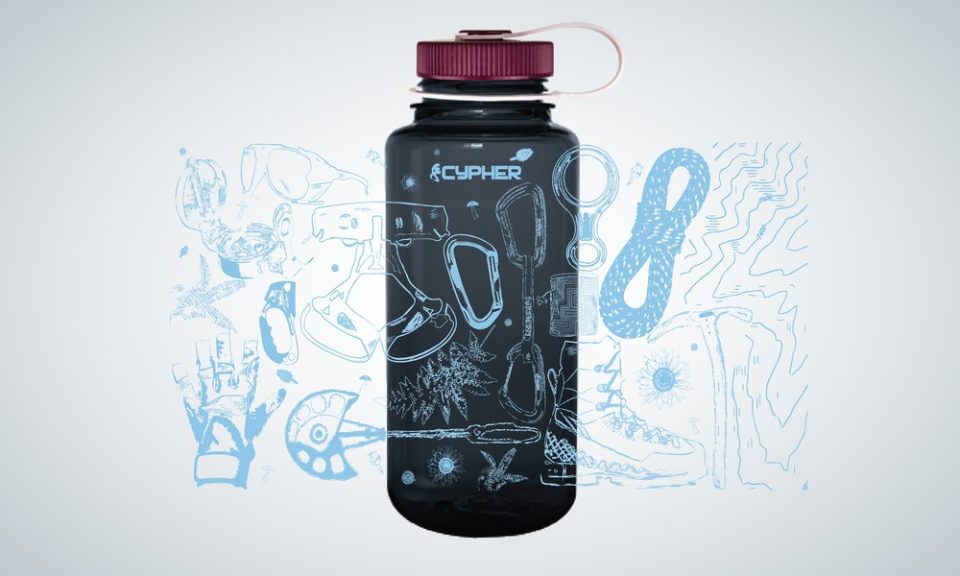
Refill behaviour shifts when a reusable vessel replaces disposable alternatives in the daily routine. A disposable bottle is discarded after a single use, meaning hydration depends entirely on purchase availability at each point of need. A reusable vessel removes that dependency; the bottle is already present, already filled, and already part of the daily carry. Nalgene Water Bottles extend this through volume capacity and exterior markings that turn refilling from a reactive response to thirst into a structured part of the day. The refill stop becomes deliberate rather than urgent, planned around routine rather than triggered by deficit. That shift changes not just how often refilling happens but when it occurs across varied daily environments. The routine builds around the vessel rather than around the purchase point of access. This is a more stable hydration structure for most daily schedules than depending on availability at each point of need.
How often should you refill a reusable bottle?
Refill frequency depends on vessel capacity, daily fluid requirement, and physical activity level. A larger format requires fewer refills to meet daily intake targets, while a mid-range format builds more frequent but shorter stops into the routine. A standard workday usually requires two to three refills for sedentary or desk-based routines. Exercise increases that frequency because fluid loss accelerates beyond what a single fill covers. Matching vessel size to anticipated daily output keeps refill stops predictable rather than reactive. This removes the urgency that disposable-dependent hydration creates during busy or unstructured periods throughout the day.
Refill access and daily planning
Knowing where refill points sit along a daily route changes how the vessel is used between those points. A commuter who identifies reliable water access at the workplace, gym, or transit hub carries a mid-range format confidently, knowing the gap between fills stays manageable across the full route.
Without that awareness, carrying more volume is a practical response to unpredictable access. Larger formats accommodate this by extending the window between required refills. This reduces dependence on access point frequency along routes where water stations are unevenly distributed or unavailable at specific times. Planning refill access is not excessive; it is what separates a reliable daily hydration routine from one that collapses the moment a familiar water point is unavailable or out of service.
Building structured refill patterns
Structured refill patterns emerge naturally when a clearly marked reusable vessel becomes part of a daily routine. Volume markings remove intake guesswork and create natural refill prompts without a separate monitoring system.
- Morning fill sets the baseline volume before the day begins, establishing a starting reference point for subsequent intake across the day.
- Midday refill aligns with a natural schedule break, reinforcing the habit during a period when intake commonly drops without a structural prompt.
- Afternoon refill addresses the window between lunch and the end of the day, where hydration gaps accumulate unnoticed during concentrated work or physical activity.
- Evening refill closes the daily intake cycle, covering any shortfall against the morning baseline and preparing the vessel for the following day.
Each refill point connects to a natural pause rather than an urgent thirst response. That structure separates deliberate hydration from reactive drinking. The ability to maintain that structure across a full working week is easier with a durable, clearly labelled vessel.
