
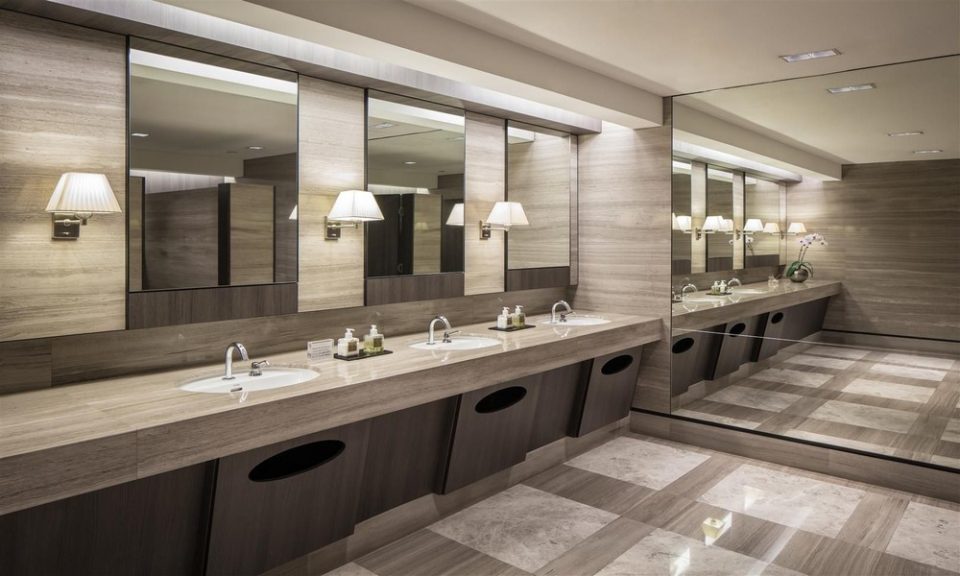
Restroom accessory specification is frequently treated as a late-stage design decision rather than an integrated element of the architectural program. This sequencing creates coordination problems with mechanical systems, structural elements, and ADA compliance documentation that are significantly more expensive to correct during construction than during design.
The interaction between restroom accessories, rough-in locations for plumbing, blocking requirements for wall-mounted fixtures, and clearance requirements for ADA compliance all need to be resolved in the design documents before construction begins.
How Blocking Requirements Affect Structural Coordination
Grab bars, folding shower seats, and heavy accessories including multi-roll paper towel dispensers and waste receptacles require wall blocking or alternative structural support systems to meet weight and cantilever load requirements. Blocking must be installed during framing, making it impossible to add retroactively without invasive wall opening.
Specifying blocking locations in architectural documents, coordinated with accessory mounting height requirements from the selected manufacturer’s installation instructions, is the most reliable way to ensure that grab bar installations pass load testing after construction.
How Rough-In Coordination Prevents Costly Field Changes
Soap dispensers, paper towel dispensers, and hand dryers must coordinate with adjacent mechanical elements including drain locations, electrical outlets for powered accessories, and plumbing supply locations for soap reservoir systems. Specifying washroom accessories and partitions with coordinated rough-in dimensions in the construction documents ensures that mechanical contractors install rough-in in the correct locations and that the final accessory installation does not require field modifications to accommodate conflicts discovered during installation.
What CSI Division 10 Specifications Should Include for Washroom Accessories
CSI Division 10 specifications for washroom accessories should include product descriptions with ANSI/ADA compliance certifications, installation requirements including blocking specifications and mounting heights, finish designations, warranty requirements, and manufacturer qualifications including references to comparable project experience.
How Substitution Review Processes Protect Design Intent
Substitution requests for specified washroom accessories are common during the bid phase and must be evaluated against design intent, compliance requirements, and life cycle cost considerations. Approving substitutions without confirming equivalent ADA compliance, finish durability, and warranty terms can compromise both the design intent and the owner’s long-term cost position.
Washroom accessory specification is most effectively integrated into the architectural design process from schematic design through construction documents, coordinating structural blocking, mechanical rough-in, ADA compliance documentation, and finish specifications in a coordinated package that prevents the field changes, compliance issues, and substitution disputes that arise when accessories are specified as afterthoughts.
