
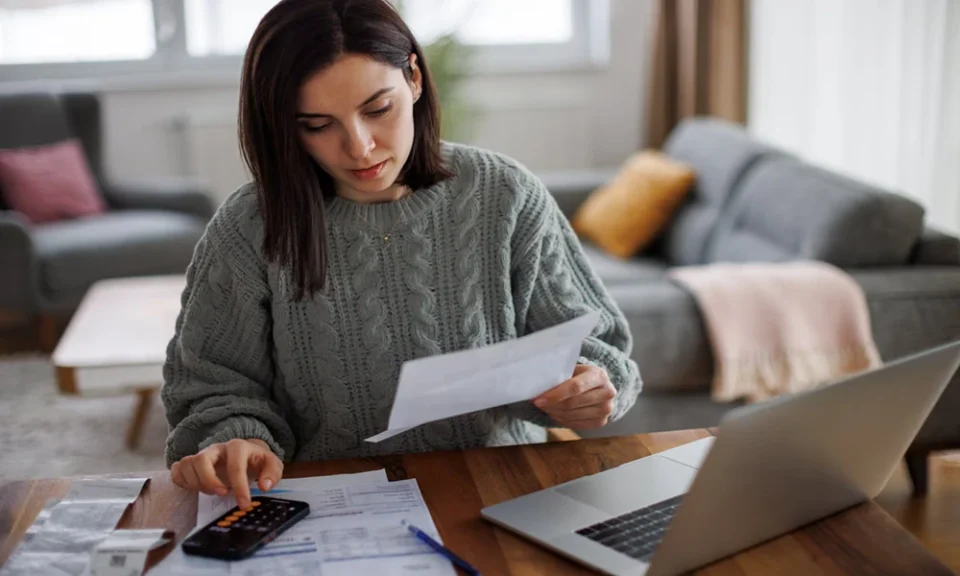
Learning how to pay utility bills online is not only about choosing a digital payment method. It is also about keeping electricity, water, mobile, broadband, gas, and other recurring household expenses organised within the monthly budget.
Utility bills are predictable in one sense because they appear regularly, but the actual amounts may change from month to month. Electricity usage may rise during summer, mobile bills may increase after plan changes, and annual or quarterly charges may appear alongside regular monthly expenses.
A good digital payment routine should therefore help with three things at once: paying on time, checking whether the amount looks correct, and understanding how utility costs are affecting the household budget.
Set The Priority Before The Month Begins
Start by separating household services according to how necessary they are.
Essential services may include electricity, water, cooking gas, mobile connectivity, broadband, and other services required for normal household activities. Optional subscriptions and entertainment-related recurring payments can be considered separately.
This distinction becomes particularly useful when monthly cash flow is limited because essential bills can be planned before discretionary expenses.
Create One Place For Utility Bills
Keeping utility information in one dedicated list can make monthly tracking easier.
For each service, record the:
- Service provider
- Consumer or account number
- Expected bill amount
- Due date
- Payment status
A utility-only list reduces the chance of overlooking a bill among other household transactions. It also provides a quick view of which payments are completed and which are still pending.
Turn Multiple Due Dates Into Three Checkpoints
Bills may arrive throughout the month rather than on the same date. Instead of monitoring every individual bill separately, households can organise them into three review periods.
Early month: Check bills due during the first part of the month.
Middle of the month: Review upcoming payments and clear bills falling around the middle period.
Late month: Check remaining bills and prepare for payments due before the next income cycle.
The exact checkpoints can be adjusted according to the household’s billing dates. The objective is to create a predictable routine rather than rely on individual reminders for every bill.
Use Recent Bills As A Reference Point
Before making a payment, compare the current amount with the household’s normal range.
A higher bill may result from increased consumption, seasonal changes, revised tariffs, additional charges, or previous unpaid amounts. A difference does not necessarily mean there is an error, but it can indicate something worth checking.
Reviewing the bill against recent payments provides useful context before the amount is paid.
Track Consumption Alongside Spending
The amount paid is only one part of utility management. Looking at usage can explain why a bill changes from one month to another.
For example, higher electricity costs may result from increased consumption after adding appliances or during periods of heavier seasonal use.
Tracking usage can help identify:
- Seasonal increases
- High-consumption periods
- Changes after purchasing appliances
- Areas where unnecessary consumption may be reduced
This turns utility payment tracking into a broader household spending review.
Reserve The Expected Amount Early
Once income is received, households can set aside an estimated amount for regular utilities instead of allowing the money to be used for other expenses first.
A useful starting point is the household’s recent average utility spending. A modest additional amount can be kept aside for bills that vary from month to month.
This approach can make later due dates easier to manage because the expected utility money has already been separated from discretionary spending.
Adjust The Budget For Seasonal Changes
Utility expenses do not necessarily remain constant throughout the year. Electricity or water consumption may rise during certain seasons, while mobile or broadband costs may change when plans or services are upgraded.
Rather than budgeting around the lowest recent bill, use a realistic average and include a small buffer for higher-consumption periods.
This can make the monthly budget less dependent on unusually low bills.
Make Payment Verification The Final Step
Before confirming a digital utility payment, take a moment to verify the details shown on the payment screen.
Check the:
Biller name
Confirm that the selected provider is correct.
Account number
Make sure the payment is linked to the intended household account.
Billing period
Check that the payment relates to the expected bill.
Amount due
Confirm that the amount matches the bill.
Due date
Ensure the payment is being made within the required period.
This final check is particularly useful when multiple family accounts are saved on the same payment platform. Making verification part of the routine can reduce avoidable payment errors.
Use One Clear Digital Process For Recurring Bills
A consistent online bill payment routine can make it easier to manage recurring household obligations because users know where to check dues, verify details, and review completed transactions.
The main advantage of consistency is organisation.
Using a familiar process can reduce confusion over which bill has been paid and which is still pending.
Confirm The Transaction Before Closing The App
After paying, check whether the transaction status shows as successful.
A digital payment may sometimes appear as:
- Successful
- Pending
- Failed
Do not assume that a debit automatically means the bill has been updated.
For important or time-sensitive bills, confirming the payment status can prevent later issues.
When A Payment Is Still Pending
A pending utility payment does not necessarily mean that the payment needs to be made again immediately. First, check the transaction history and confirm whether the bank account has already been debited.
Review the payment status and allow the normal processing period where applicable. Making another payment before the first transaction is resolved could result in a duplicate payment.
The first step should therefore be verification rather than an immediate retry.
If A Payment Fails, Check The Money First
A failed payment requires a slightly different check. Before attempting the transaction again, determine whether the amount was actually deducted from the bank account.
Then establish what happened to the payment:
- The bill remains unpaid
- The amount has already been reversed
- A refund is expected
- The transaction status is still being updated
If the issue requires assistance, contact the utility provider or payment service through its official support channels. Never provide OTPs, passwords, payment PINs, or other authentication details to someone claiming to resolve the failed transaction.
Keep Evidence When A Payment Needs Follow-Up
Most digital payment platforms retain transaction details, but keeping important references accessible can make follow-up easier.
This can be particularly useful for high-value payments, transactions made close to the due date, or payments that previously showed a pending status.
Keep details such as:
- Transaction ID
- Payment amount
- Transaction date
- Biller name
- Payment status
These details can help identify the transaction if clarification is required later.
Prevent Errors Before They Happen
Payment mistakes can occur when several accounts are managed through the same platform. A household may have multiple electricity connections, mobile numbers, broadband accounts, or properties.
Clearly identifying saved accounts can reduce the possibility of paying the wrong bill.
For example, accounts can be distinguished as:
- Home electricity
- Office electricity
- Parent mobile
- Personal broadband
A clear naming system is especially useful when several family members use the same payment account.
Use The Review Process To Cut Unnecessary Costs
Utility management is not limited to making payments on time. Reviewing recurring services can reveal connections or subscriptions that are no longer needed.
Look for old mobile plans, additional broadband connections, duplicate subscriptions, or unused add-on services.
Removing services that no longer provide value can reduce recurring expenses and improve the household budget.
Look For Spending Changes Every Three Months
A quarterly review can reveal trends that may not be obvious from a single monthly bill.
Compare several months of utility spending and check whether electricity costs are gradually increasing, mobile expenses have changed, broadband charges have risen, or new recurring services have appeared.
This longer view can help improve future monthly estimates.
Protect Essential Bills From Discretionary Spending
Once income is received, essential utility expenses can be accounted for before money is allocated to optional spending.
After setting aside the amount required for essential bills, the remaining budget can be considered for shopping, entertainment, dining, and other discretionary expenses.
Treating utilities as a protected expense category can reduce the possibility that optional purchases leave insufficient funds for essential payments.
Close The Month With A Quick Review
After the final utility payment of the month has been completed, take a few minutes to review what happened.
Consider:
- Did any bill increase unexpectedly?
- Was any payment late?
- Did a transaction fail or remain pending?
- Was the reserved amount sufficient?
- Should next month’s estimate be adjusted?
These observations can make future budgeting more accurate.
Repeat The Same Core Cycle
Because utility bills are recurring expenses, they can be managed through a consistent routine:
Estimate → Reserve → Verify → Pay → Confirm → Review
Repeating this cycle each month reduces the need to make separate decisions for every bill. Over time, the process can make recurring household payments easier to monitor and incorporate into the wider monthly budget.
Conclusion
Knowing how to pay utility bills online effectively involves more than completing individual transactions.
A stronger routine includes grouping utilities, recording due dates, reserving money in advance, checking unusual charges, confirming transaction status, and reviewing spending patterns after the month ends.
When recurring utilities are treated as a planned household category, digital payments become easier to manage and monthly cash flow becomes more predictable.
FAQs
1. How Can I Organise Utility Bills Before Paying Them Online
Create a monthly list containing each service provider, consumer number, expected amount, due date, and payment status.
2. Should I Pay Utility Bills As Soon As They Are Generated
You can pay early or closer to the due date, but the important point is to reserve the required funds and avoid missing the deadline.
3. What Should I Do If A Utility Payment Shows Pending
Check the transaction history and bank account before retrying. Avoid making a second payment immediately while the first transaction is unresolved.
4. Why Should I Compare Utility Bills With Previous Months
Comparing bills can help identify higher usage, new charges, seasonal changes, or other reasons for an unexpected increase.
5. How Can I Reduce The Risk Of Missing Utility Bill Due Dates
Use a monthly utility list, group bills by due-date periods, set reminders in advance, and reserve the expected amount when income arrives.
